
The Rise of the Branded Residence - And What It Means for Every Property Developer
Most property developers think about brand at the wrong moment.
The development is nearly complete. The sales suite is being fitted out. Someone asks about a logo and a brochure. And so the brand gets built backwards - describing something that already exists, rather than shaping something that's still being formed.
The developers pulling away from the competition right now are doing something different. They're treating brand as a design decision, not a marketing one. They're asking what their development needs to feel like before a single material is chosen - and letting that answer inform everything from the naming to the interior specification to the way the sales team speaks about the project.
You can see it happening across Edinburgh, Glasgow, and the wider UK. And the results are tangible - in occupancy rates, in pricing power, and in the kind of word-of-mouth that no marketing budget can manufacture.
What it looks like when it's done well
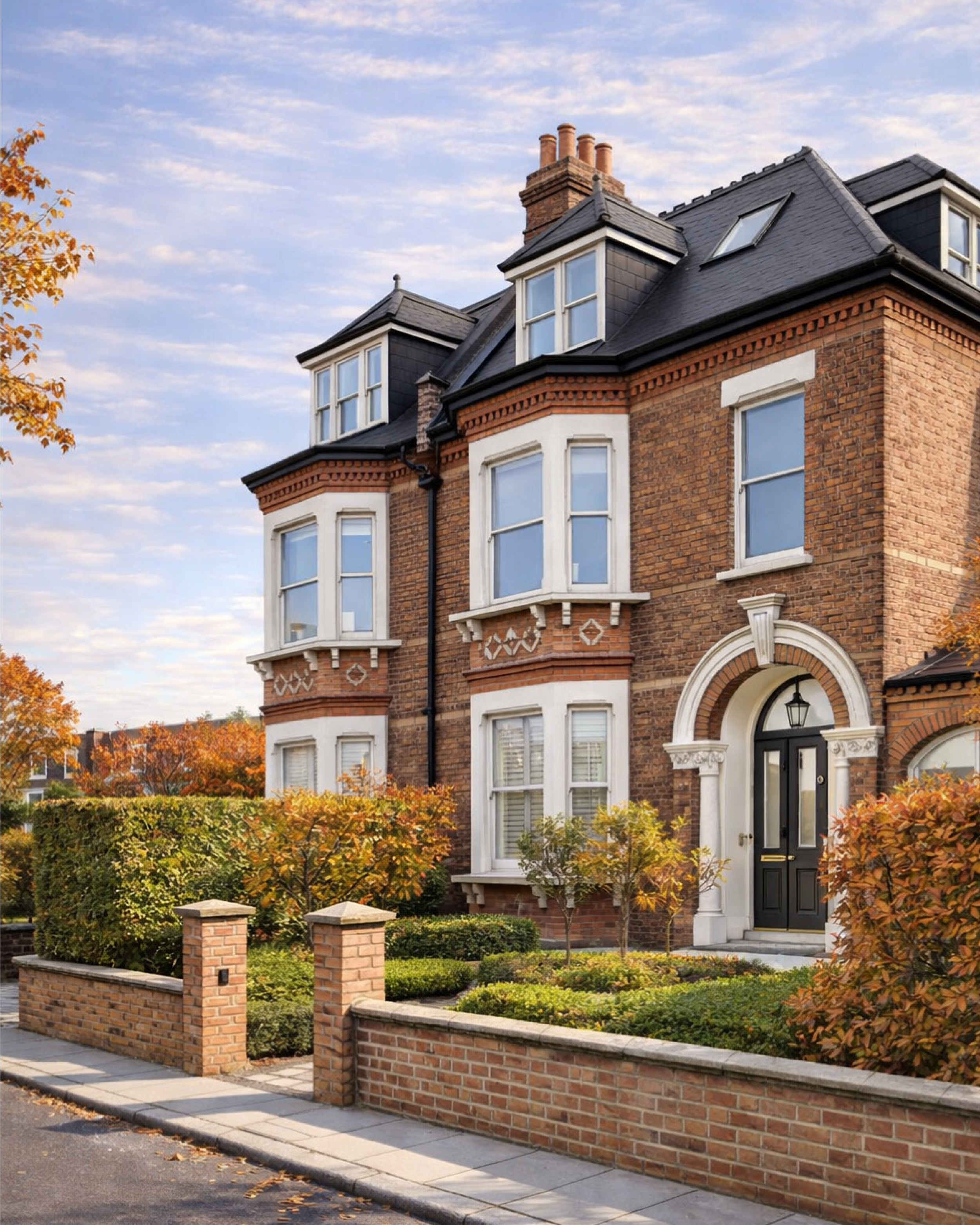
The New Village by S1 Developments at Edinburgh Park describes itself as "a new kind of community" and "a new blueprint for sustainability and wellness." Their own strapline: more than just a place to live - a place to belong. The website reads like an editorial brand, not a sales brochure. Every touchpoint - the name, the identity, the photography, the news section covering lifestyle, health, and sustainability - tells the same story.
The McEwan by Moda Living in Fountainbridge takes its name from the historic brewery on the site. It isn't being sold on square footage or specification. It's being sold on community, lifestyle, and what it feels like to live there. Place and identity are inseparable from the first touchpoint.
PLATFORM_ on Glasgow's Anderston Quay, recently awarded Best in Scotland, describes itself as "a ready-made neighbourhood that prioritises resident experience and wellbeing." Not a collection of apartments. A neighbourhood. That's brand thinking.
None of these developments are selling apartments. They're selling a world. And the brand is what makes that world feel real before anyone visits.
What connects all three isn't budget or scale. It's the decision to treat brand as something built into the product - not applied over the top of it once the hard work is done.
Why this matters more than ever
Buyers and renters have changed. For a generation of people - particularly those in their 30s and 40s - a property is no longer primarily a financial transaction. It's an expression of how they want to live. They want to belong somewhere, not just occupy it.
That shift has direct commercial consequences. Developments with a clear identity and strong sense of place consistently achieve and hold premium pricing. When buyers understand what something is and who it's for, they're less inclined to question its price. When that clarity is missing, the opposite happens - and developments compete on price rather than positioning.
The numbers support it. £1.1bn of investment flowed into build-to-rent schemes across Edinburgh, Glasgow and other major UK cities in 2025 alone - a 21% increase on the previous year. The schemes attracting that investment aren't the ones with the best floor plans. They're the ones with the clearest sense of what they are.
Brand isn't what you say about a development after it's built. It's what the development says about itself from the very first decision.
Where boutique developers go wrong
The most common mistake we see isn't a lack of ambition. It's a lack of sequence.
The brand conversation happens too late. By the time a designer or agency is briefed on identity, the name has been chosen without strategic thought, the interior spec has been signed off without a brand lens, and the sales suite has been designed in isolation from the rest of the project. Each element is fine on its own. Together, they feel assembled rather than considered.
The fix isn't complicated - but it does require a change in how the process is structured. Brand strategy should be one of the first conversations, not one of the last. It should inform the naming, the interior direction, and the way the development is positioned in the market - before anything is built, specified, or designed.
When that happens, everything else becomes easier. The interior brief is clearer. The marketing writes itself. The sales team has something real to say. And the buyer - whether they articulate it or not - feels the difference.
What this means for your next development
This isn't an argument for spending more on branding. It's an argument for spending it earlier, and in the right order.
The branded residence - in its truest sense - isn't a luxury category. It's a way of thinking about property development that any boutique developer can apply, at any scale, in any location. You don't need a fashion house behind you. You need clarity about what your development is, who it's for, and what it should feel like. And then the discipline to let that clarity drive every decision.
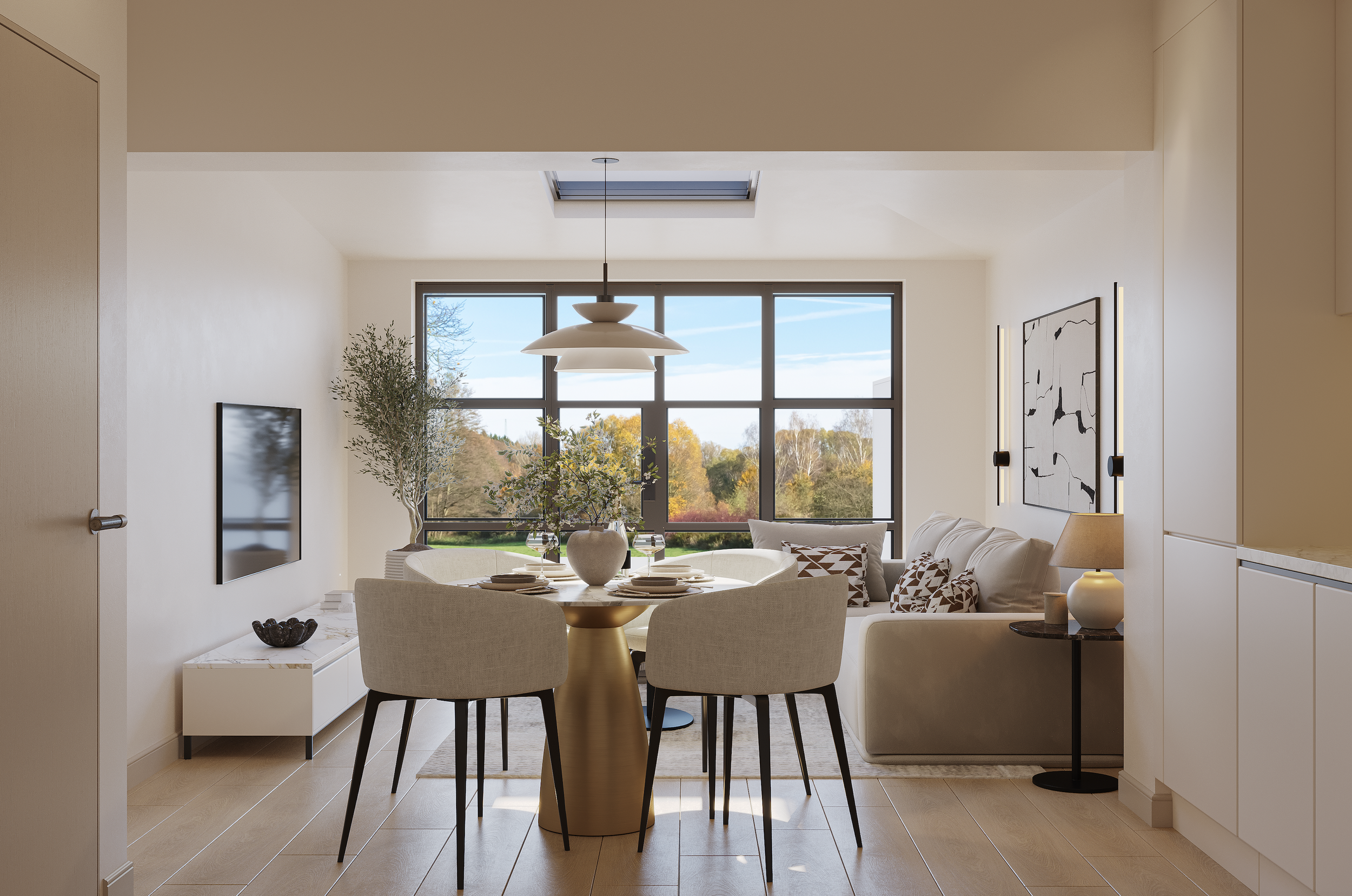
We applied this thinking to Mayleaf House - five boutique residences in West London, where brand identity and interior design were developed together from the outset. The result was a development that felt unmistakably itself from the first piece of marketing collateral - and that communicated quiet luxury not just through the materials, but through every touchpoint.
When brand and environment are developed together from day one, the result isn't just beautiful. It's convincing.
Three questions worth asking before your next development goes to market
Does the name say something true about what this place is - or was it chosen because it sounded nice?
Would a buyer recognise the same story in the brochure, the show home, and the website - or do they feel like three different projects?
Could this identity belong to any other development, anywhere? Or is it unmistakably this one?
If the answers are uncomfortable - that's where the brand work starts.
At NM Design Studio, we work with property developers and residential brands across Scotland and the UK to build identity and environment together - from brand strategy and visual identity through to interior design and marketing creative. If you're planning a development and want to talk about how brand can shape it from the start, we'd love to hear from you.
