
The New Rules of Hospitality
Something has shifted in hospitality. Not suddenly - gradually, over several years - but the shift is now impossible to ignore
The guests who matter most to boutique hotels, independent restaurants, and lifestyle venues have changed what they expect. Not just from the food, the service, or the room. From the whole thing. The feeling of it. The coherence of it. The sense that every detail was considered, and that the business they're in knows exactly what it is.
This is the new competitive landscape for hospitality. And the businesses that understand it - really understand it - are winning in ways that have very little to do with location or price point.
Here's what we're seeing, and what it means for the way hospitality brands need to think about design.

Rule 1: Guests don't experience your brand in parts anymore
For a long time, hospitality businesses thought about brand and environment as separate conversations. The logo and the look of the menu was a branding project. The feel of the space was an interior design project. The website was a digital project. Each one commissioned separately, often years apart.
That model is broken - not because it was ever ideal, but because guests have become sophisticated enough to feel the cracks.
Today's guest moves fluidly between digital and physical touchpoints before they ever walk through your door. They've seen your Instagram, read your website, looked at your Google reviews, and formed an impression - before the first interaction with a member of your team. And when they arrive, they're - consciously or not - checking whether the reality matches the impression.
When it does, trust is built instantly. When it doesn't, something feels off - and they can't quite say why.
The new rule is that brand and environment aren't two separate things. They're one experience, delivered across multiple touchpoints. Designing them in isolation is no longer enough.
Rule 2: Luxury has been redefined - and it's not about price
Ask someone what luxury means to them in a hospitality context five years ago, and the answer would likely have involved thread counts, Michelin stars, and marble bathrooms.
Ask the same question now, and the answers are different. Considered. Calm. Unhurried. Personal. Authentic. Real.
The definition of luxury has quietly shifted from material extravagance to intentional experience. Guests - particularly those in the 30–55 demographic that boutique hospitality businesses most want to attract - are less impressed by opulence and more moved by the sense that a business genuinely knows what it's doing, has a point of view, and has thought carefully about every detail.
This is both a challenge and an opportunity for independent hospitality businesses. The challenge: you can no longer compete with large hotel groups on budget or scale. The opportunity: you can compete - and win - on coherence, personality, and the kind of considered experience that a chain simply cannot manufacture.
The most compelling hospitality brands right now aren't the most expensive ones. They're the most intentional ones.
That intentionality starts with brand identity. With a clear sense of what the business is, who it's for, and what it should feel like - and then carrying that through every touchpoint without exception.
Rule 3: The environment is the brand
There was a time when interior design in hospitality was primarily about aesthetics. Create a beautiful space, photograph it well, and the guests will come.
That's still partially true. But it's no longer sufficient.
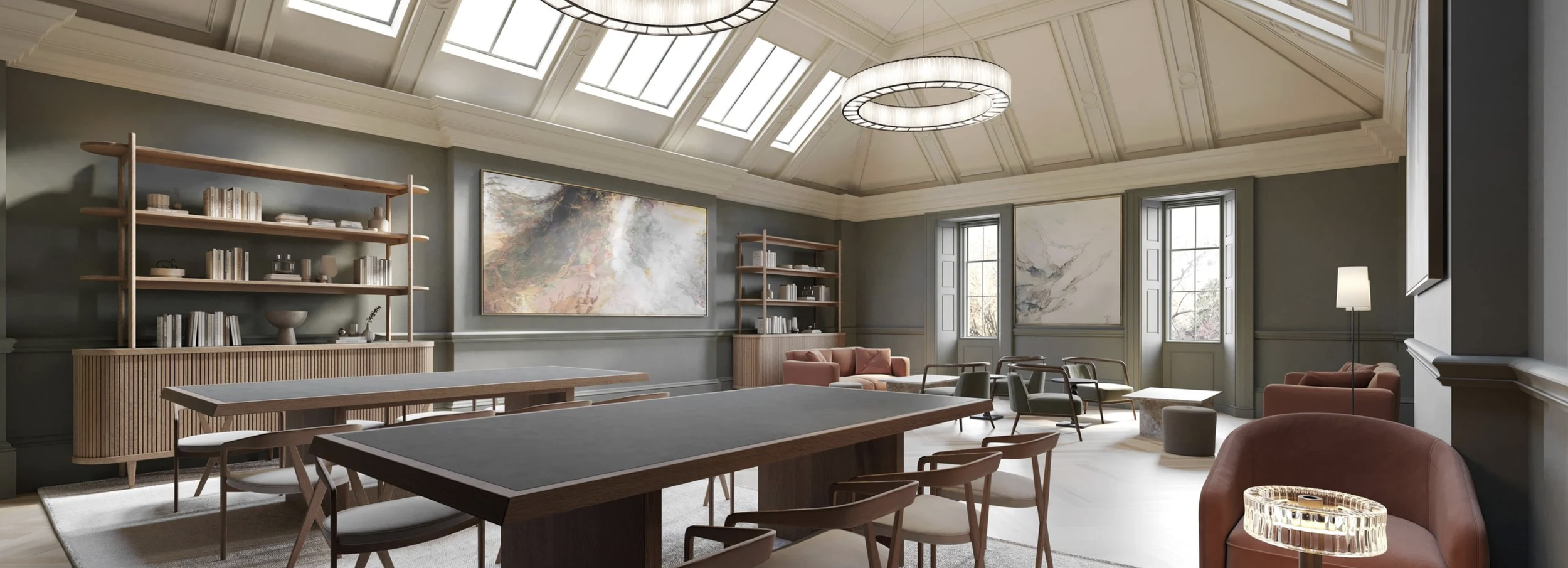
The most successful hospitality interiors we see today aren't just beautiful - they're coherent. Every material choice, every lighting decision, every piece of furniture, every sensory detail tells the same story as the brand identity, the menu design, the social media presence, and the way the team speaks to guests.
When those things align, the environment stops being a backdrop and becomes part of the product itself. It becomes something guests talk about, photograph, and return for. It becomes the reason they choose you over the equally good restaurant around the corner.
This is why the conversation about interior design in hospitality has to start much earlier than the FF&E specification. It has to start with the brand. What does this business stand for? What does it need to feel like? What should a guest feel in the first ten seconds of arriving? The interior design answers those questions spatially - but only if the answers are clear before a single finish is chosen.
Rule 4: Consistency is the new differentiator
In a world where every hospitality business has access to the same Instagram-worthy aesthetics, the same trend-led palettes, the same furniture suppliers - consistency has become the real differentiator.
Not perfection. Consistency.
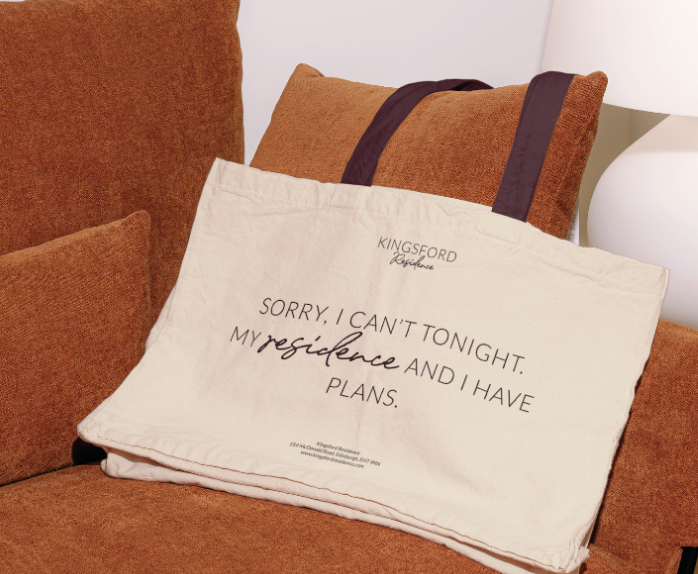
The businesses that are building genuine loyalty right now are the ones where everything feels like it comes from the same place. Where the tone of an email confirmation matches the warmth of the welcome. Where the handwriting on a menu card reflects the same personality as the logo. Where the playlist feels like it was curated by the same person who chose the artwork.
None of these details are individually transformative. Together, they create a feeling of total coherence that is incredibly hard to replicate - and that guests recognise, even when they can't articulate what they're responding to.
Consistency isn't a design principle. It's a business strategy.
Achieving it requires designing brand, space, and digital presence as a system from the start - not as separate briefs handed to separate teams at separate times.
Rule 5: Brand equity is built before the guest arrives
The hospitality businesses that will grow over the next decade understand something important: the guest relationship begins long before check-in or the first cover.
It begins at the first digital touchpoint - a Google search, an Instagram post, a recommendation from a friend. And the brand equity built at that stage determines whether someone makes a reservation, what they expect when they arrive, and how much they're prepared to pay.
This is why a weak or inconsistent brand identity has a commercial cost that goes beyond aesthetics. It doesn't just look unprofessional. It fails to convert interest into bookings. It attracts guests who don't value what the business offers. It makes it harder to justify a premium price point.
Conversely, a strong, coherent brand identity - one that communicates clearly from the first touchpoint, carries through the physical experience, and delivers on its promise - builds the kind of trust that turns first-time guests into regulars, and regulars into advocates.
What this means for hospitality businesses right now
The new rules of hospitality aren't really about design trends. They're about a fundamental shift in what guests value - and what it takes to earn their loyalty.
Guests want to feel that the business they've chosen knows exactly what it is. That every detail was considered. That the experience they're having was designed for them, not assembled from a checklist.
Meeting that expectation requires thinking about brand and environment as one thing - not two separate budgets, two separate briefs, and two separate teams working in isolation.
The hospitality businesses we most admire - the ones that have built genuine reputations, genuine loyalty, and genuine pricing power - all share one characteristic. They designed the whole experience, not just the parts.
That's the new rule. And it's the only one that really matters.
At NM Design Studio, we work with boutique hospitality, property and lifestyle businesses across Edinburgh and Scotland to align brand identity, interior design and digital presence into one cohesive experience. If something in this piece has resonated - we'd love to hear about your business.
